
Related Posts

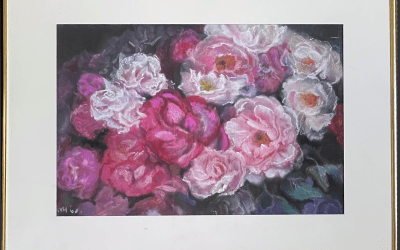
Fine art therapy has a profound influence on mental health, serving as a powerful medium for expression and healing.
Engaging with art—whether through creation or appreciation—can provide individuals with an outlet for emotions that may be difficult to articulate verbally.
When you look at the collation of blues in a Monet or feel the simplicity of frustration in Edvard Munch's The Scream, there is an emotional component for most of us. We instantly get a window into the artist, but fine art can also give us a window into ourselves.
This process can foster a sense of identity and belonging, helping individuals navigate their feelings and experiences.
Art therapy, a recognized therapeutic practice, utilizes fine art as a tool for emotional and psychological healing.
Fine Art Examples
Here is a painting that may give you the emotional correlation we mean:
Succulent by Irene Veronica Marcello (Click link to see the painting.)
Irene's tour de force gives you that gush of blue and green palette. It almost commands a sigh.
It allows individuals to explore their thoughts and feelings in a non-verbal way, reducing anxiety and promoting relaxation.
On the other hand, a painting such as Frank Marcello's Ice Wall envelops you in the cold. For those of us who love all things winter, this painting can bring childhood memories of playing in the snow or call back to how difficult winters can be associated with other good memories for them, such as skiing, watching the Winter Olympics, or other fun things that we do in the snow.
How Fine Art Therapy Works
Art therapy can evoke emotional responses that provide catharsis or insight. It can inspire hope, provoke thought, and even validate individual experiences.
For those struggling with mental health issues, encountering art that resonates with their personal struggles can foster connection and understanding, reinforcing the idea that they are not alone in their experiences.
And certainly the act of creating art can also be meditative, encouraging mindfulness and presence in-the-moment, which is beneficial for mental well-being. You don't even need the skills of an artist to participate in the activity of creation. Just the spark of creating is often enough to move spirits upward.
In summary, fine art not only enriches our cultural landscape but also plays a significant role in supporting mental health by providing avenues for expression, promoting therapeutic practices, and fostering connection among individuals.
*This article is not intended as a doctor's advice. Seek out your medical professional for more information on fine art and how it can help you or someone you love.